
Fluted Glass Shower Screens: Why They're the Ultimate Luxury Bathroom Upgrade
Fluted Glass Shower Screens: Why They're the Ultimate Luxury Bathroom Upgrade
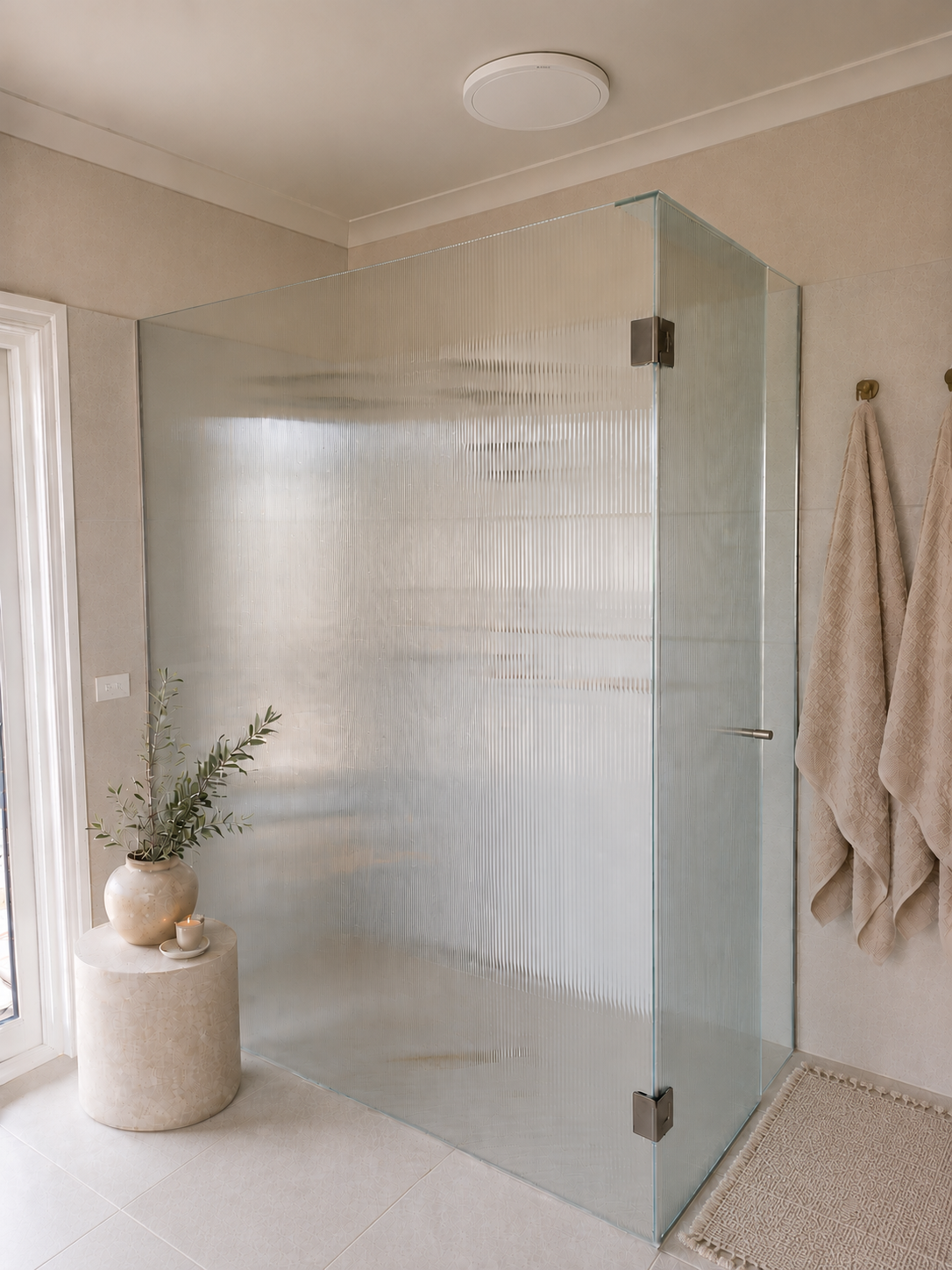
There's a moment, standing in a bathroom finished with a fluted glass shower screen, when you notice the light doesn't just pass through the glass — it moves with it. Walk past, and the reflections ripple and shift. Turn the shower on, and the surface seems to soften further still, as though it were made of water itself.
This is the quiet magic of fluted glass shower screens, and it's why designers and renovators keep returning to this bathroom design trend for spaces that want to feel considered rather than merely functional. If you're planning a bathroom renovation and weighing up shower screen options, here's why fluted glass consistently comes out on top for luxury and design impact.
Fluted Glass Creates Movement and Depth in a Bathroom
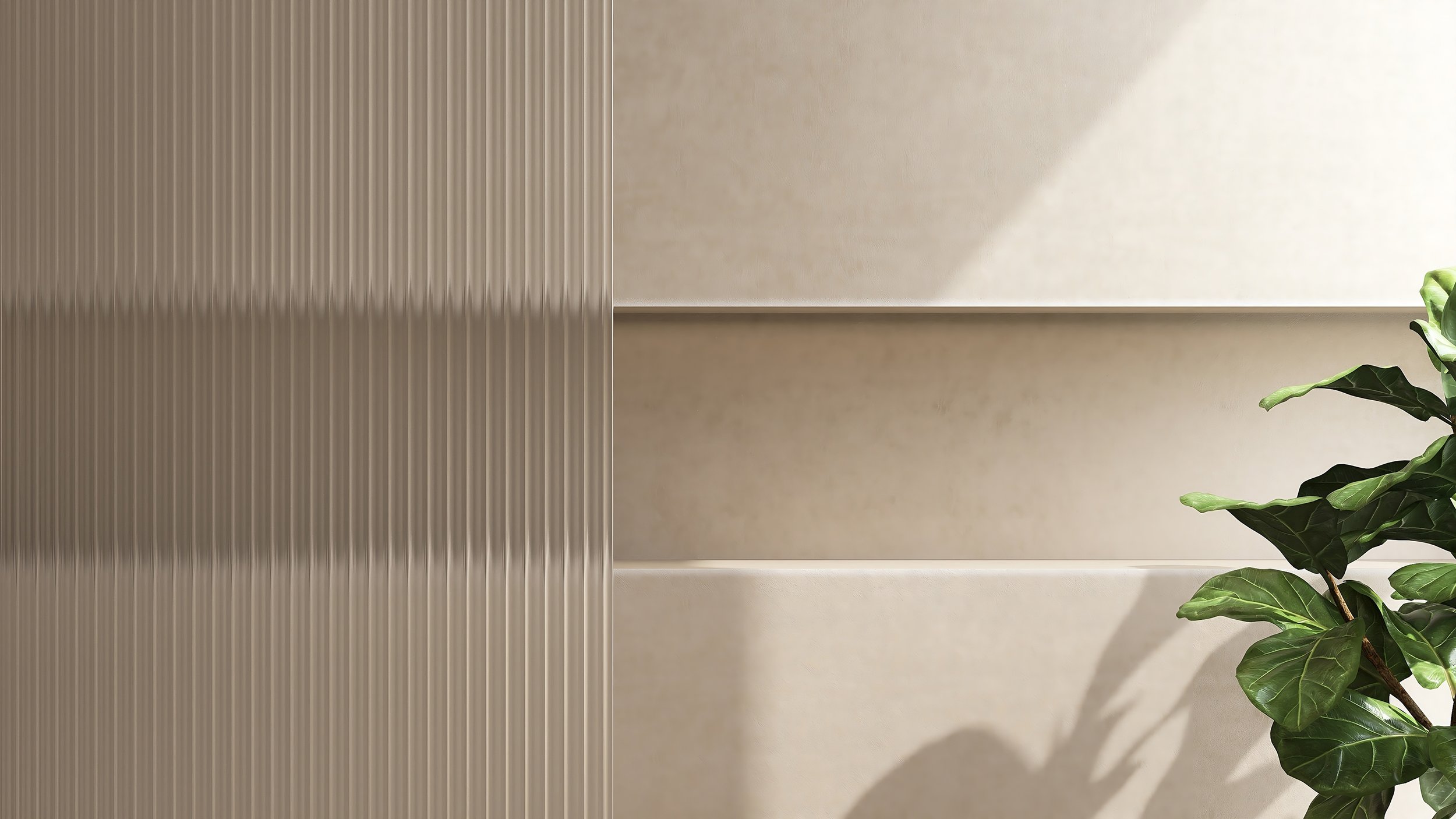
Flat glass is static. It reflects light in one direction, at one angle, and that's the end of the conversation. A fluted glass shower screen, with its gentle vertical ribbing, refracts and bends light differently depending on where you're standing and how the light falls. As you move through the room, the screen seems to move with you — catching brightness here, softening into shadow there.
This responsiveness is what gives fluted glass its sense of depth, and it's a big part of why it's become such a popular bathroom design trend. It behaves less like a hard surface and more like something alive to the room around it — a quality usually reserved for richer, more tactile materials like linen, or the surface of water at dusk.
Privacy Without Compromising on Light or Style
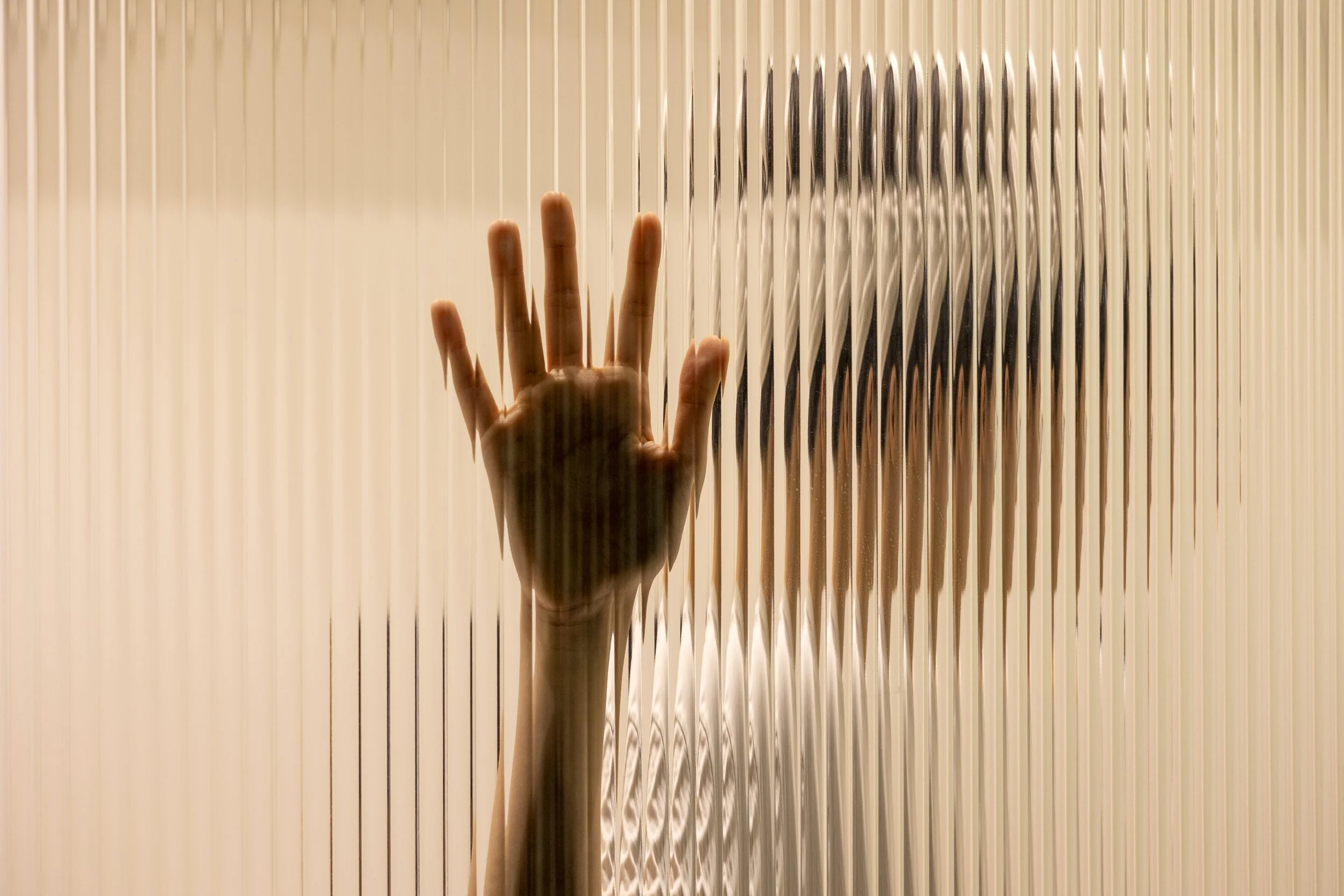
Every shower screen has to solve the same problem: how do you create privacy without sealing the room off entirely? Flat frosted glass often solves this by obscuring almost everything, which can leave a bathroom feeling closed and clinical — one of the most common complaints homeowners have with standard frosted shower screens.
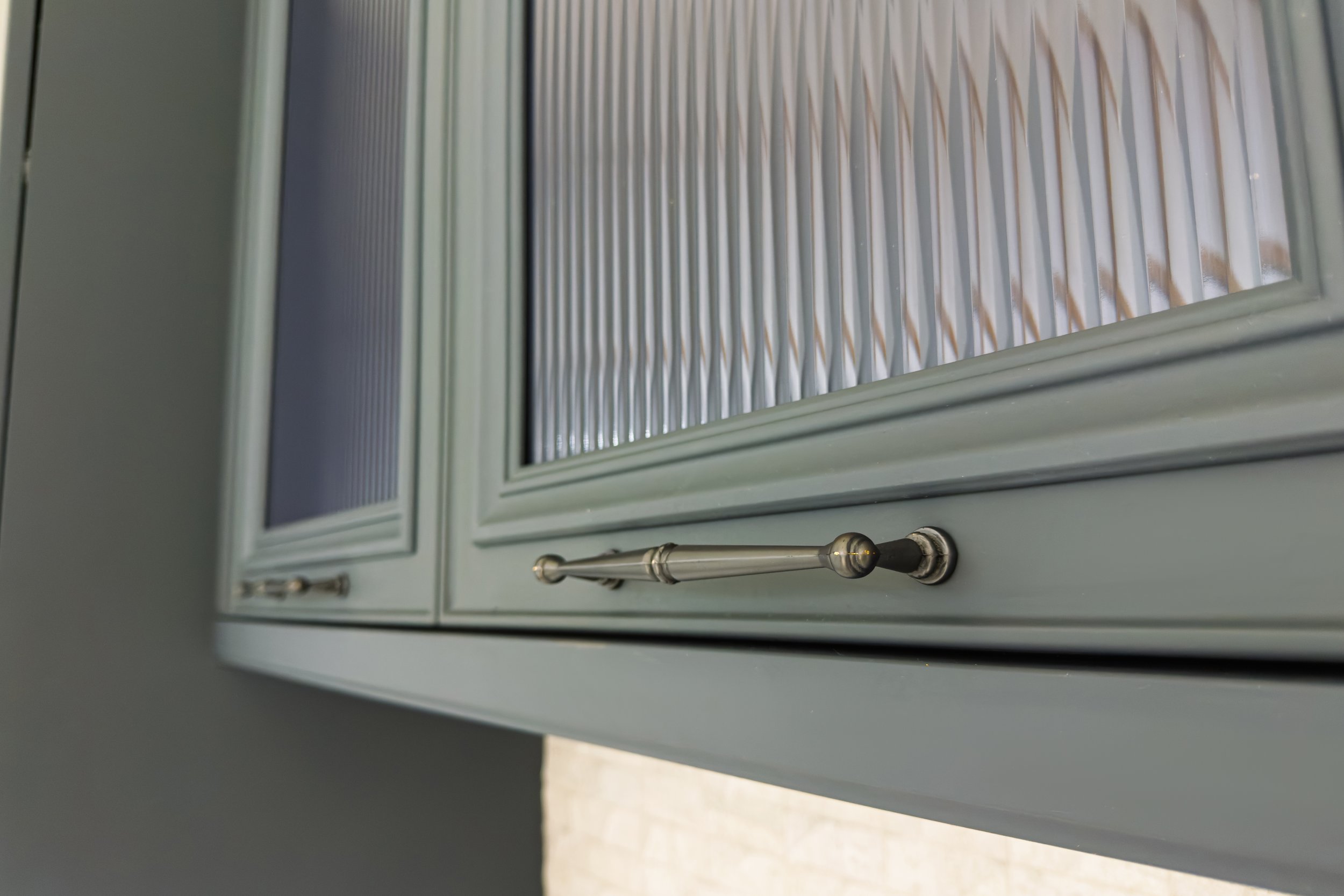
Fluted glass takes a more graceful approach. It softens form and detail while still allowing colour, light, and movement to pass through, making it one of the best shower screen options for bathrooms that don't get much natural light. You get genuine privacy, but the room keeps breathing — nothing about it feels shut down. That's an important distinction: this isn't privacy as an afterthought, apologised for with an opaque pane. It's privacy built into the design language of the room itself.
Fluted Glass Softens a Bathroom's Hard Lines
Bathrooms are, generally speaking, geometric spaces — tiled walls, square vanities, rectangular mirrors, straight grout lines running in every direction. A fluted glass shower screen introduces something the rest of the room can't: a gentle, flowing rhythm.
Its vertical ribs read almost like drapery, or the fluted edge of a shell — organic where everything else is rigid. In a room built from hard surfaces, that fluidity gives the eye somewhere soft to rest, and it's part of why fluted glass pairs so well with natural materials like timber vanities, stone benchtops, and warm-toned tiling.
Why Fluted Glass Feels Like Water
Perhaps the most poetic thing about a fluted glass shower screen, particularly in a bathroom, is how closely it echoes the material it exists to contain. The rippled, refracting surface mimics the way light moves through water — the shimmer across a pool's surface, the soft distortion of a rain-streaked window, the gentle warp of light through a running tap.
Used as a shower screen, this creates a quiet visual dialogue between the glass and the water behind it. The material doesn't just enclose the experience of bathing — it reflects it, before the water's even turned on.
Is Fluted Glass Right for Your Bathroom Renovation?
Fluted glass isn't simply a stylistic upgrade from flat or frosted glass — it changes how a bathroom feels to be in. It moves with the light, protects privacy without shutting the space down, softens a room built on hard lines, and mirrors the very element the room is designed around.
It's a small design decision with an outsized effect — proof that luxury often lives in the details we feel before we consciously notice them.
If you're planning a bathroom renovation and want to explore whether a fluted glass shower screen suits your space, our design and construction team can talk you through the options, from framing choices to how it pairs with your tiling and joinery.
Thinking about fluted glass for your next bathroom renovation? Get in touch with our team to talk through the options for your space.
Frequently Asked Questions
Is fluted glass more expensive than standard shower screens? Fluted glass typically costs more than standard flat or frosted glass due to the specialised manufacturing process, but many homeowners consider it worth the investment for the design impact it delivers.
Does fluted glass provide enough privacy for a shower screen? Yes — fluted glass obscures detail and form effectively while still allowing light through, making it a popular choice for both ensuites and family bathrooms.
What styles pair well with fluted glass shower screens? Fluted glass works particularly well in warm, natural-material bathrooms — think timber vanities, stone benchtops, and brass tapware — though it also suits more minimal, monochrome schemes.
Is fluted glass hard to keep clean? Fluted glass requires similar maintenance to standard glass. A regular squeegee after use and periodic cleaning with a non-abrasive glass cleaner will keep it looking its best.
Water, held still — until you move.
Fluted glass doesn't just enclose a shower, it echoes it. Light ripples across its surface the way it dances on water. Privacy, without ever feeling closed off. Soft, fluid lines against a room built on hard surfaces.
It's the kind of detail you feel before you notice it.